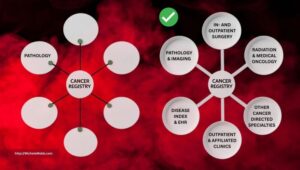
Delayed Data is Wasted Data
Data delayed is wasted data.
What if you could take action today?
In cancer care, time is the most precious resource. Every delay in diagnosis, treatment, or reporting impacts outcomes, strains resources and decreases opportunities for timely intervention. Yet in many cancer registries, casefinding and abstracting data is not collected in real-time and results in stale information before stakeholders ever see it.
Automation is the game changer. Automated casefinding and intelligent abstraction can compress the lag between diagnosis and reporting from months to days. By continuously scanning multiple feeds—pathology, radiology, disease index, radiation, medical oncology, and EHR notes—automation surfaces new cases in real time and updates them as the patient’s journey unfolds. The cancer registry shifts from a retrospective archive to a living, breathing source of truth.
For physicians and administrators, the impact is immediate. If time-to-treatment metrics start slipping, corrective action can happen right away. If breast cancer surgeries drop in the last 60 days, administrators can quickly investigate the root cause. Are patients being referred elsewhere? Is it a staffing, or provider, issue? Is there a scheduling backlog? With real-time data, interventions are proactive, not reactive.
Real-time cancer registry data does not just measure what has already happened. It transforms the cancer registry into a strategic asset—fueling agility, responsiveness, and better cancer care.
If AI automation could remove the delays but also shift how cancer registrars work, would your program embrace the change—or resist it?
\ Get the latest news /